Eco-Friendly Stepney Moves: Recycling and Donation Routes

Moving house or relocating a workplace in Stepney can feel like a hard reset. Boxes everywhere, a pile of things you forgot you owned, and that awkward moment when you realise the old sofa probably isn't making the trip. That's exactly where Eco-Friendly Stepney Moves: Recycling and Donation Routes come in. Instead of treating unwanted items as rubbish by default, you can sort them into sensible streams: donate what still has life left in it, recycle what can be processed properly, and only bin what truly has no other route.
This approach is better for the planet, yes, but it also tends to make moving day calmer, cheaper, and more organised. In a busy local move, that matters. Whether you're clearing a flat near Stepney Green, emptying a family home, or handling an office transition with awkward desks and dated chairs, the right plan saves time and avoids last-minute chaos. Below, you'll find a practical guide to how recycling and donation routes work, who they suit, what to avoid, and how to keep the whole process realistic rather than idealistic.
For readers who want a broader look at responsible moving standards, the company's recycling and sustainability approach is a useful place to start.
Why Eco-Friendly Stepney Moves: Recycling and Donation Routes Matters
Most moves generate more than furniture being shifted from one address to another. They uncover duplicates, broken items, old paperwork, spare kitchenware, half-used DIY supplies, and the kind of "I'll deal with that later" clutter that quietly builds up for years. If you just load everything into a van and hope for the best, useful items can end up mixed with waste. That makes disposal more expensive, less efficient, and frankly a bit wasteful in every sense.
Stepney also has the normal pressures of urban moving: limited parking, narrow stairwells, time windows, and neighbours who would quite like the lift to remain available. So the more organised you are about donation and recycling routes before move day, the smoother everything becomes. It is not just an environmental choice. It is a logistics choice.
There is also a trust element. Many people want assurance that their things will be handled responsibly. If a mover can separate reusable furniture, donate decent household goods, and route recyclable materials sensibly, that shows a more careful standard of work. For businesses, it can help protect reputation too. No office wants to be the one leaving serviceable chairs and archive waste in a muddle, let's face it.
Responsible handling also helps prevent the "dump it and dash" mentality that can happen during stressful clears. A little planning goes a long way, and the results are tangible. Rooms empty faster, sorting is simpler, and you can often see the floor again sooner than expected. Which, during a move, feels like a small victory.
How Eco-Friendly Stepney Moves: Recycling and Donation Routes Works
The process is straightforward once you break it down. The trick is to decide item by item what should be kept, donated, recycled, or disposed of as a last resort. That sounds obvious, but in practice many people only start sorting when boxes are already stacked by the door. By then, decisions get rushed.
1. Separate items into practical categories
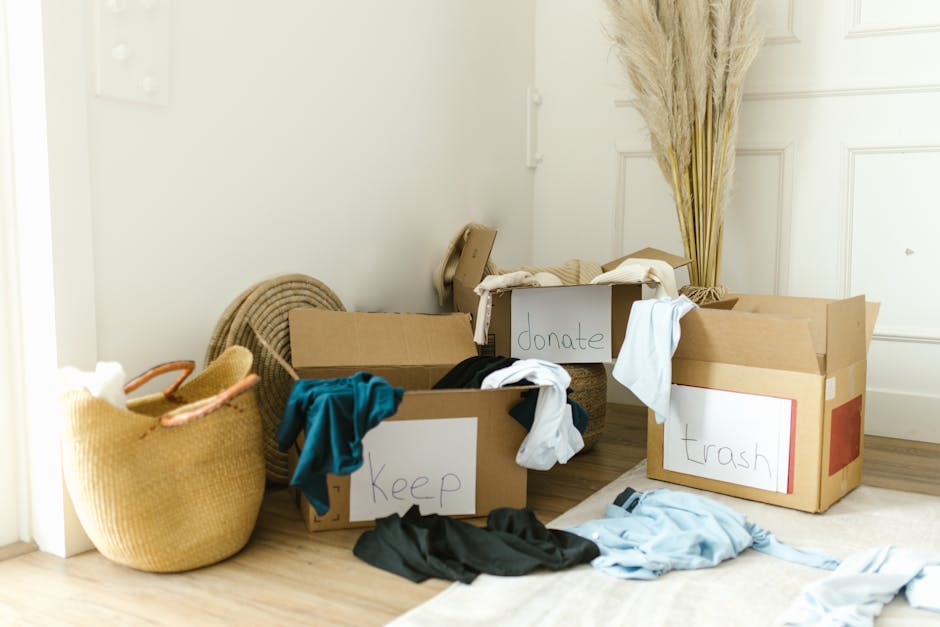
Start with four groups: keep, donate, recycle, and dispose. Keep is for items going to the new place. Donate covers things in good condition that someone else could genuinely use. Recycle is for materials that can enter an appropriate waste stream. Dispose should be the smallest pile of all.
A useful rule of thumb: if you would be comfortable handing the item to a friend, it may be donation-ready. If it is broken, stained, incomplete, or unsafe, it usually belongs in recycling or disposal instead. Do not overthink it, but do not guess either.
2. Identify which items have a donation route
Donation routes are best for furniture, homeware, books, clothing, toys, and some office items that are still in respectable condition. A dining chair with a wobbly leg is not a good donation. A sturdy chair with a few cosmetic marks might be. The key is usability, not perfection.
In many moving jobs, people discover that one person's spare lamp, kettle, or bedside table is exactly what another household needs. That is the sweet spot. It reduces waste and gives the item a second life. Simple, but effective.
3. Identify what can be recycled properly
Recycling is more specific than people expect. Different materials need different handling. Cardboard, metal, some plastics, electricals, wood, textiles, and mattresses may each need separate treatment depending on their condition and the local facility or collection method. You do not want to bundle everything into one bag and call it sustainability. That is the sort of shortcut that backfires.
If you are dealing with bulky items, it is often easier to arrange a removal service that can separate loads during collection. That is where a service like furniture pick up can help when you have larger pieces that need a sensible next step rather than a rushed skip-side decision.
4. Use the move to reduce waste before it starts
Eco-friendly moving is not only about where things go at the end. It starts with not moving unnecessary items in the first place. If a box has been unopened since your last move, that is a clue. If you have three spare kettles, you only need to move one. Strange how we all end up with duplicate cutlery and mystery cables, isn't it?
Practical pre-sorting means fewer van trips, less handling, and less cost pressure. It also means you arrive at the new place with the things you actually need. That makes unpacking feel more manageable and less like punishment.
5. Match the route to the item and the condition
Not every good-condition item should be treated the same way. Some things suit direct donation; others are better prepared for recycling through a specialist route. Old office desks, for example, may be reusable if intact, but if damaged they may need component recycling. Small electricals should be checked carefully. Mattresses are often awkward, and bulky waste in general benefits from advance planning.
This is also where a good mover's packing and loading discipline matters. If the team knows which items are leaving via donation, which are recyclable, and which are staying, the move stays tidy rather than turning into a mixed pile of uncertain fate. A bit of order, a lot less stress.
Key Benefits and Practical Advantages
Eco-friendly moving is sometimes sold as a feel-good extra. Truth be told, it is much more practical than that. The benefits show up in the schedule, the budget, and the way the move feels on the day.
- Less waste: usable items stay in circulation instead of heading straight to disposal.
- Cleaner move day: pre-sorted items reduce confusion and save loading time.
- Lower risk of damage: fewer unnecessary objects mean fewer awkward lifts and fewer mishaps.
- Better local reputation: especially helpful for landlords, offices, and businesses that want to show care.
- More space at the new property: you avoid bringing clutter into a fresh start.
- More humane moving experience: yes, that sounds grand, but it matters. The process feels less wasteful and more deliberate.
There is another practical win people often miss: eco-friendly sorting helps you make decisions. Once you start separating what is useful from what is not, the move becomes clearer. You can see what you really own. That has a surprising emotional effect. A pile of broken or duplicate items can quietly drain energy; seeing it leave is a relief.
Expert summary: The best eco-friendly move is not the one with the most green language. It is the one that reliably routes reusable items to donation, routes recyclable materials correctly, and keeps disposal to the minimum needed.
If you are already comparing moving support, it can help to understand the wider service offering. Options such as man and van, man with van, and removal services can suit different volumes and levels of support, depending on how much sorting and lifting is involved.
Who This Is For and When It Makes Sense
This approach suits a broad range of people, but it is especially useful when a move involves more than just a few boxes.
Households clearing clutter before a home move
If you are moving from a flat, house, or shared property, there is usually a mix of belongings in decent condition and items that have reached the end of the line. Families often find the process especially valuable because children's items, furniture, and kitchen goods can be reused quickly by someone else.
People downsizing
Downsizing tends to reveal how much you have carried from place to place without using. A smaller home simply cannot absorb everything. Donation and recycling routes give you a cleaner way to let go without creating unnecessary waste.
Landlords and tenants at the end of a tenancy
Tenancy clearances often need to happen quickly. A structured approach helps you remove left-behind items, sort reusable furniture, and avoid leaving the property in a poor state. It can also make handover smoother. Nobody wants a frantic last-day scramble.
Offices and small businesses
Commercial moves bring a different set of needs. Desks, chairs, shelving, archived materials, and packaging waste all need clear handling. For that reason, businesses often benefit from a more organised route such as office removals or commercial moves, especially when eco-disposal and asset separation are both priorities.
People dealing with inherited or long-vacant properties
These moves can be emotionally heavy as well as physically demanding. Sorting by donation and recycling route gives the job structure. It is easier to work room by room than to stare at an entire house and wonder where to start.
Step-by-Step Guidance
If you want the process to feel manageable, work through it in stages. That is the real secret. Not fancy tools, not heroic effort. Just a sensible sequence.
- Walk through every room. Make a rough list of what stays, what goes, and what is uncertain.
- Pull out donation-worthy items first. Look for furniture, decor, kitchenware, toys, and textiles that are clean and usable.
- Check recyclable materials. Separate cardboard, paper, metal, small electricals, and any other material your mover or local disposal route can handle.
- Set aside special items. Paint, batteries, chemicals, and broken electronics usually need different handling. Do not mix them in with general waste.
- Label everything clearly. A marker pen and a few labels can save a surprising amount of time. Boring? Yes. Effective? Very.
- Confirm collection or drop-off plans. Donation items need a route, not just goodwill. Recycling also needs a destination.
- Load in the right order. Keep donation and recycling piles separate from items travelling to the new home or office.
- Do a final sweep. Check cupboards, loft spaces, under beds, and behind filing cabinets. The weird stuff always hides there.
A good tip is to create a "decision box" for items you are unsure about. Put questionable things in one place and revisit them after a short break. Many people make better decisions after tea and ten quiet minutes. Honestly, that is often the difference between a tidy move and an overstuffed van.
Expert Tips for Better Results
After enough moving jobs, some patterns become obvious. The smoothest moves are rarely the ones with the fewest items. They are the ones with the clearest choices.
- Start earlier than you think. Eco-sorting takes longer than a rushed "clear it later" mindset.
- Be honest about condition. If something is barely usable, do not force a donation route onto it.
- Keep categories visible. If piles are hidden in bags too early, you will forget what is what.
- Use sturdy boxes for donations. Broken boxes can undo all the good organisation very quickly.
- Protect reusable items. A chipped mirror or crushed lamp may no longer be fit to pass on.
- Ask about collection options. For bulky pieces, direct pick-up can be easier than trying to transport everything yourself.
- Match the move size to the vehicle. Overloading a small van is a false economy. Better to choose the right vehicle or a more capable removal setup from the outset.
When a move includes furniture or larger pieces, the right handling matters just as much as the destination. A careful team and a sensible loading plan can prevent reusable items from being damaged in transit, which is no small thing. A scratched donation is still a scratch, after all.
For added peace of mind, many people also check the provider's insurance and safety information before booking. That's a good habit. It doesn't make the move exciting, but it does make it safer.
Common Mistakes to Avoid
Eco-friendly moving sounds simple until the boxes start multiplying. These are the missteps that cause most of the trouble.
Leaving sorting until move day
This is the big one. If you begin sorting as the van arrives, you are already behind. Donation and recycling routes need to be decided before lifting starts.
Assuming everything "can be recycled"
Not quite. Many items have restrictions, contamination risks, or special handling needs. Food residue, damaged materials, mixed components, and electrical items can all complicate the process.
Donating items in poor condition
If an item would create work for the next person, it probably is not donation-ready. Charitable and reuse routes work best when the item can be used quickly and safely.
Mixing waste streams
Cardboard in with broken household items. Textiles in with electricals. Bits of packing tape everywhere. It happens, and it makes the whole process clumsy. Separate things early and keep them separated.
Forgetting about bulky waste
Bulky items need planning, full stop. Sofas, beds, wardrobes, office chairs, and white goods can all require extra handling or a dedicated collection route. Pretending they will somehow vanish is not a strategy.
Ignoring access issues
Stepney streets and properties can have awkward access, limited parking, or tight stairways. The best plans take that into account before collection time. If you have ever tried to carry a wardrobe around a small landing, you know exactly why this matters.
Tools, Resources and Recommendations
You do not need a complicated toolkit. In fact, simple is better.
- Marker pens and labels: for marking donation, recycle, keep, and dispose piles.
- Strong tape and boxes: especially for books, crockery, and small items that need protection.
- Reusable sacks or crates: useful if you want to reduce extra packaging.
- Cleaning cloths: donation items should look presentable and ready to use.
- A basic room-by-room list: keeps the work focused and prevents forgotten items.
- Phone photos: a quick visual record can help you remember what was set aside for donation or recycling.
In practical terms, the best recommendation is to work with a mover who understands that sustainability is part of the job, not an afterthought. Services like man and van removals, removals, and home moves can support different move sizes and levels of help, while keeping the route to sorting and transport simple.
If you are comparing quotes, the page on pricing and quotes is useful for understanding how to request a fair estimate without guesswork. Clear item lists tend to produce clearer pricing. Funny how that works.
Law, Compliance, Standards and Best Practice
This part needs a careful tone. Moving waste and reusable items is not just a personal preference; it sits within broader UK expectations around lawful waste handling and responsible disposal. You do not need to become a compliance expert to move house, but you should understand the basics.
First, rubbish and reusable goods are not the same thing. Once an item is no longer wanted, it still needs to be handled properly. That usually means avoiding fly-tipping, using lawful disposal routes, and separating anything that needs special treatment. If a mover is dealing with waste, they should do so through proper channels rather than improvising on the day.
Second, donation routes should be genuine reuse routes. That means passing on items that are safe, functional, and appropriate for another person to receive. It sounds obvious, but it matters. Charity and reuse partners are not storage for unwanted junk.
Third, best practice in moving is to minimise environmental impact through planning. That includes sensible loading, reducing unnecessary journeys, and avoiding damage to reusable goods. A cracked table that could have been saved by better packing is not a success story.
For business customers, the standard is even higher. Office clearances often involve confidential papers, IT equipment, and fixed assets. Those items need a more disciplined process, sometimes involving separate handling for security and safety reasons. A well-run move should respect both the property and the data inside it.
If you want to understand the company's wider standards around conduct and service, the pages on health and safety policy and terms and conditions help set expectations clearly.
Options, Methods and Comparison Table
Different moving scenarios call for different eco-friendly routes. Here is a simple comparison to make the choice easier.
| Option | Best for | Strengths | Limitations |
|---|---|---|---|
| Direct donation | Usable furniture, household goods, books, clothing | Fast reuse, less waste, clear social value | Items must be clean and in good condition |
| Recycling collection | Cardboard, metal, some plastics, textiles, small electricals | Good for material recovery and waste reduction | Items must be sorted properly and may need separate handling |
| Bulky waste route | Large or awkward items that cannot be reused | Useful for sofas, wardrobes, mattresses, damaged furniture | May cost more and may require advance booking |
| Full removal support with sorting | Whole-home or office moves | Less stress, clearer loading, easier separation of streams | Usually best for larger or more complex moves |
There is no single best answer for every move. A small one-bedroom flat may only need donation bags, cardboard recycling, and a straightforward van load. A larger office, on the other hand, may need a more coordinated approach with boxes, waste separation, and clear transport planning. Different jobs, different rules. Simple enough.
For some people, a man with van removal is enough. For others, especially where multiple items need careful handling, a more complete removal company or removal company style service makes the greener route easier to manage.
Case Study or Real-World Example
Here is a realistic example from the sort of move many Stepney residents recognise. A couple in a two-bedroom flat were moving into a smaller place and had accumulated a mix of furniture, packed-up kitchen items, and a few pieces that were simply no longer useful. Nothing dramatic. Just life.
Before the move, they walked through each room and made three piles. A bookcase, a spare dining chair, a lamp, and several kitchen items were set aside for donation because they were still in decent condition. Cardboard, packing material, and a couple of old electricals were separated for recycling. Damaged bits and pieces went into the final disposal pile, which turned out to be much smaller than they expected.
The result? The van load was lighter, the new flat felt less cluttered, and unpacking was easier because only the useful things came along. More importantly, they didn't spend the first evening in the new place staring at a mountain of old stuff they didn't even want. Instead, they had clean floors, a bed assembled sooner, and that rare, lovely feeling that a move is actually over.
That is the real value of eco-friendly moving. Not perfection. Not performance. Just a calmer, cleaner process that respects both the items and the people moving them.
Practical Checklist
- Walk through every room and identify keep, donate, recycle, and dispose items.
- Set aside usable furniture and household goods for donation first.
- Separate cardboard, packaging, and recyclable materials early.
- Check special items like electronics, batteries, paint, and chemicals.
- Label all boxes and piles clearly.
- Take photos of donation or recyclable items if helpful.
- Confirm how bulky pieces will be collected or moved.
- Keep important documents and valuables separate from everything else.
- Use strong boxes or sacks so reusable items stay in good condition.
- Do a final sweep of cupboards, lofts, and hidden storage areas.
- Make sure the load plan keeps donation and recycling items distinct.
- Check the mover's safety and handling standards before the move.
Conclusion
Eco-friendly moving is not a luxury add-on. In Stepney, where space is precious and moving days can already be a bit of a juggling act, it is one of the most practical ways to stay organised. Recycling and donation routes keep usable items moving, reduce the amount of waste you create, and make the whole day feel more controlled from start to finish.
If you plan early, sort honestly, and choose the right support, the move becomes less about disposal and more about transition. That is a better experience for you, and a better outcome for the items you no longer need. Fairly straightforward really, once the chaos is stripped away.
Get a free quote today and see how much you can save.
Frequently Asked Questions
What counts as an eco-friendly move in Stepney?
An eco-friendly move is one that reduces waste by separating reusable items for donation, recycling materials correctly, and limiting disposal to what truly cannot be reused or processed.
Can I donate furniture during a move?
Yes, if the furniture is clean, safe, and in usable condition. Items with major damage, missing parts, or hygiene issues are usually better routed to recycling or disposal.
What items are easiest to recycle when moving house?
Cardboard boxes, paper, packaging, metal, and some textiles are often the simplest. Small electrical items may also be recyclable, but they usually need separate handling.
How do I know whether something should be donated or recycled?
Ask yourself whether someone else could use it immediately without repair. If yes, donation may fit. If not, and the material can be processed, recycling is usually the next step.
Do moving services handle donation routes too?
Some do, especially if they offer furniture pick-up or removal support. It helps to ask in advance whether they can separate donation items from general waste and transport them appropriately.
Is eco-friendly moving more expensive?
Not always. In many cases it can actually save money because you reduce the volume being moved or disposed of. The overall cost depends on item volume, access, and the level of service required.
What should I do with old electronics?
Keep them separate. Electronics often need specific recycling handling because of cables, batteries, and internal components. Do not mix them with general household waste.
How early should I start sorting items before moving?
Ideally a few weeks ahead if you can. Even starting with one room at a time makes the job easier and helps you avoid last-minute decisions on moving day.
What if I have bulky items like wardrobes or sofas?
Bulky items usually need a specific plan. If they are reusable, they may be suitable for donation or pick-up. If not, they may need a bulky waste route or removal support.
Can office moves be eco-friendly too?
Absolutely. Office removals often benefit from separate handling for furniture, filing, packaging, and equipment. Reuse and recycling can be built into the plan from the start.
Why is it better to sort before the van arrives?
Because it keeps the loading process efficient and reduces confusion. When everything is already separated, the team can move items faster and with fewer mistakes.
Where should I ask for more information about sustainability and move support?
For broader sustainability guidance, the site's recycling and sustainability page is a good place to understand the approach. If you need help arranging the move itself, you can also review removals near me and related service options.