Tower Hamlets Council Waste Rules for Stepney Moves
Posted on 14/05/2026
Tower Hamlets Council Waste Rules for Stepney Moves: A Practical Guide for Moving Day
Moving house in Stepney is busy enough without a pile of bins, broken boxes, old furniture, and last-minute rubbish making the day harder. The rules around waste collection, bulky items, recycling, and fly-tipping can catch people out, especially if you are trying to leave a flat spotless or hand over keys by a tight deadline. This guide breaks down Tower Hamlets Council Waste Rules for Stepney Moves in plain English, so you can plan ahead, avoid awkward surprises, and keep your move running smoothly. It also shows where professional help can save time, stress, and a very real headache on moving day.
If you are decluttering before a move, packing up a flat, or dealing with leftover items that will not fit in the car, the details matter. Lets face it, the last thing anyone wants is to discover the bin area is full, the lift is on strike, and the mattress is still sitting in the hallway at 7pm.
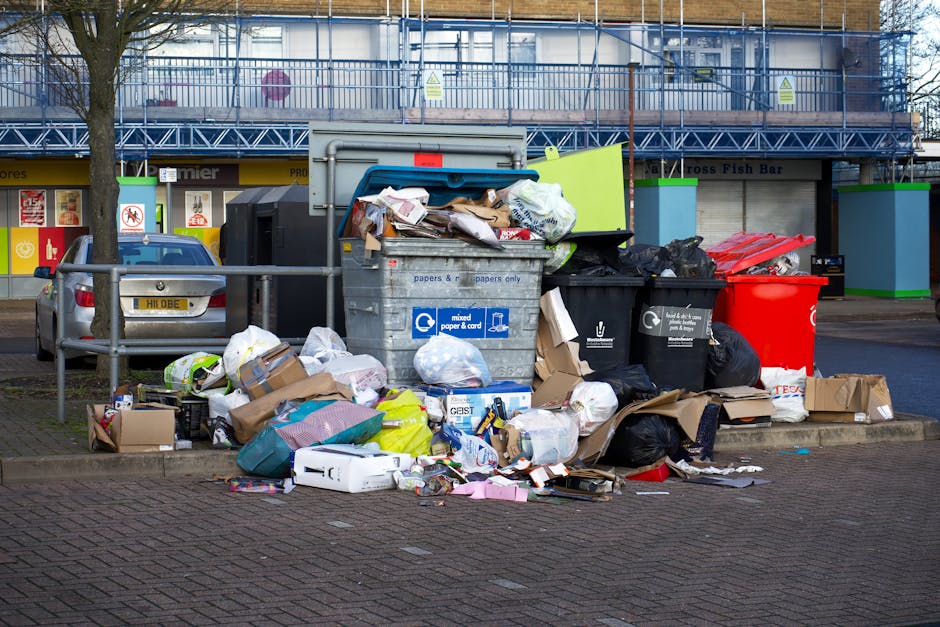
Why Tower Hamlets Council Waste Rules for Stepney Moves Matters
Waste rules matter because moving is not just about transport. It is also about leaving one place in a safe, clean, and compliant condition. In Stepney, that often means working within local collection schedules, recycling expectations, and the practical limits of what can be left by the kerb or in communal bin stores. If you get it wrong, you may end up with rejected rubbish, unhappy neighbours, or a landlord charging extra cleaning and removal fees.
There is also a simple time factor. Moving day has its own chaos: boxes stacking up, kettle gone, keys changing hands, someone asking where the tape disappeared to. If waste is not sorted beforehand, it becomes the final thing that slows everything down. In our experience, the people who plan waste early move with far less panic, even when the flat is a fourth-floor walk-up and the lift is doing that annoying pause between floors.
For many Stepney residents, the main issues are:
- how to dispose of bulky items like sofas, beds, and wardrobes
- what can go into normal household bins and what cannot
- how to recycle move-related waste responsibly
- how to avoid leaving items in shared hallways, bin stores, or pavements
- how to manage waste when the move happens on a tight timetable
This is why understanding the local waste process is more than a box-ticking exercise. It protects your deposit, reduces stress, and helps keep the move civilised. A small thing? Maybe. But small things are often the ones that cause the biggest mess.
How Tower Hamlets Council Waste Rules for Stepney Moves Works
At a practical level, the system is straightforward: everyday household waste should be placed in the correct bins, recycling should be separated where required, and larger or special items need to be managed through the appropriate collection or disposal route. The important part is that not everything from a move can be treated as regular rubbish. Old appliances, mattresses, furniture, paint, electrical items, and construction-style waste all tend to fall into different categories.
The rules also become more important in flats and managed buildings. If you live in a Stepney apartment block, your bin area may have limited space, scheduled collections, or building-specific instructions. That means a moving pile cannot just be dumped beside the bins because it is convenient. It can block access, attract complaints, and potentially be classed as fly-tipping if left improperly.
A sensible move usually involves four layers of waste planning:
- Separate usable items from items to keep, donate, sell, recycle, or throw away.
- Check what the council accepts through regular household and recycling channels.
- Arrange bulky waste handling for larger household items when needed.
- Time the disposal so rubbish leaves before final cleaning and key handover.
If you are already using a house removals Stepney service or a smaller man and van Stepney option, it helps to coordinate the waste plan with the transport plan. Otherwise, you can end up moving the useful things and then standing around wondering what to do with the old wardrobe that no one wants. Not ideal.
Key Benefits and Practical Advantages
Following local waste rules properly is not just about avoiding trouble. It gives your move structure. And structure, to be fair, is often the thing that keeps a moving week from turning into a blurry pile of cardboard and bin liners.
| Approach | What It Helps With | Main Risk If Ignored |
|---|---|---|
| Sort waste early | Faster packing, clearer decisions, less clutter | Last-minute panic and overfilling bins |
| Use correct disposal routes | Cleaner compliance with local expectations | Rejected items or complaints from neighbours |
| Book bulky-item handling in advance | Safer removal of sofas, beds, appliances | Items left behind after handover |
| Coordinate with movers | Less lifting, fewer delays, smoother loading | Double handling and unnecessary strain |
Another big advantage is environmental. If you separate recyclable items and avoid dumping mixed rubbish, you reduce the amount of good material going to waste. That is one reason many people also look at broader recycling and sustainability support when planning a move. It gives the whole process a cleaner finish, and honestly, it feels better too.
There is also a financial angle. Leaving rubbish for the landlord, agent, or next occupant can trigger cleaning charges, removal charges, or deposit deductions. Planning ahead is the cheaper option more often than not.
Who This Is For and When It Makes Sense
This guidance is useful for almost anyone moving in or out of Stepney, but some situations make it especially relevant.
- Tenants who need to hand back a flat in good condition
- Homeowners clearing out old furniture or loft clutter before completion
- Students doing end-of-term or summer moves with bags, bedding, and leftovers
- Families replacing bulky furniture or handling years of accumulated items
- Office movers managing packaging, broken furniture, and redundant equipment
- People on tight deadlines who need same-day practical support
If you are moving from a compact flat, the waste question tends to show up earlier than expected. Flats fill up fast with discarded boxes, broken shelving, and packaging from furniture that arrived flat-packed two weeks ago. If you need support with tighter spaces, flat removals in Stepney can be a helpful fit, especially where stairwells, lifts, and shared entrances make disposal more awkward.
It also makes sense if you are downsizing. People often discover that the move is not about transporting everything. It is about deciding what is worth moving at all. A clear waste plan helps you make those calls calmly instead of in a rush.
Step-by-Step Guidance
Here is the practical version. No fluff, just the order that usually works best.
1. Walk through every room and split items into categories
Make four groups: keep, donate/sell, recycle, and dispose. A label maker helps, but even a few sticky notes on boxes can do the job. The point is to stop waste from becoming mixed in with the rest of your move.
2. Identify bulky items early
Large furniture, mattresses, wardrobes, and old appliances need more planning than bagged rubbish. If you know in advance that a sofa or bed is coming out, you can schedule lifting, transport, and disposal properly. For awkward items, the advice in this guide to moving difficult heavy items is worth a look, even if you are not moving a piano. The same principles apply: size, weight, and access can be deceptive.
3. Pack waste separately from moving boxes
Do not mix broken hangers, food packaging, old cables, and torn paper with the boxes that are going to your new place. It sounds obvious. People still do it. Then they spend the evening emptying the wrong box at the wrong address.
4. Check whether items can be recycled
Some moving waste is actually recyclable if sorted properly: cardboard, paper, some plastics, certain metals, and clean packaging materials. This is where good packing habits matter. If you want to reduce waste before the move starts, simple packing methods for moving can help you cut down on excess materials in the first place.
5. Arrange disposal before the final day
The best time to deal with waste is not the morning the van arrives. It is a day or two earlier, when you still have breathing room. If you are handing over a clean property, pair the waste plan with a proper end-of-tenancy cleaning approach so everything is done in one sweep.
6. Keep access routes clear
Hallways, entrances, and staircases should stay open. It is safer, cleaner, and friendlier to neighbours. Also, moving boxes through a narrow path when someone has left a bag of general waste in the middle is a good way to invent new swear words.
7. Do a final sweep before collection or handover
Check cupboards, balcony corners, under sinks, and behind doors. Those are the places where forgotten packaging and odd bits of waste like to hide. The move always finds one last thing, usually under the bed.
Expert Tips for Better Results
The people who handle a lot of moves tend to spot the same pattern: the smoother jobs are not always the biggest jobs, they are the best prepared ones. A few practical habits make a proper difference.
- Start with the heaviest waste first. Old desks, drawers, and damaged furniture are easiest to manage before the room fills with boxes.
- Use a small 'waste corner'. One place for disposal items stops clutter spreading across the flat.
- Break down what you can safely dismantle. Flat-pack furniture often takes less space once removed from its frame.
- Protect yourself while lifting. Awkward items can catch on door frames or twist your back before you know it. A practical guide like the science of safe lifting is surprisingly useful here.
- Use storage when timing is awkward. If you have to move out before the new place is ready, temporary storage can keep clean items separate from waste. See storage options in Stepney for that kind of gap.
One more small tip: photograph rooms once cleared. That may feel over-cautious, but it gives you a simple record of what was left behind, what was removed, and what was ready for handover. Handy if questions come up later. Which, unfortunately, they sometimes do.

Common Mistakes to Avoid
Most moving waste problems are preventable. The trouble is, they often look minor until the final hour.
- Leaving too much for the last day. Waste needs the same planning as packing.
- Assuming every item can go in a regular bin. Large items and specialist waste usually need a different route.
- Blocking communal areas. Shared hallways and entrances are not storage spaces, however temporary it seems.
- Forgetting about cleaning materials and odd leftovers. Small bottles, cables, and broken bits add up quickly.
- Mixing keep items and dispose items. That is how important things get thrown away by mistake.
- Not coordinating waste with the moving team. A good mover can help you sequence the work, especially if you are using removal services in Stepney rather than doing everything solo.
There is also an emotional mistake people make: keeping too much because it feels easier than deciding. Truth be told, almost everyone has one box of random cables, one half-used tin of paint, and one item they swore they would fix. Moving is the moment to be honest with yourself.
Tools, Resources and Recommendations
You do not need a huge setup, but a few simple tools make waste handling easier.
- Heavy-duty bin bags for general waste and light soft items
- Labels or coloured tape for sorting keep, recycle, and dispose piles
- Marker pens for marking boxes clearly
- Work gloves for old furniture, rough cardboard, and dusty loft items
- Furniture covers or blankets if waste and removals are happening at the same time
- Measuring tape for checking whether bulky items can be taken out without damage
For household items that need special care before moving, a few of the site's practical guides are well worth using. For example, if you are moving a freezer, you may find this freezer storage guide useful, while sofa storage advice helps when furniture needs to be kept clean during a gap between homes. If beds or mattresses are involved, these mattress-moving tips can save time and avoid damage.
And if the move is dragging on into the evening, the calmer approach is usually best. A few deep breaths, a cup of tea, and a sensible checklist beat frantic improvising every time. Funny how often that turns out to be the real moving hack.
Law, Compliance, Standards, or Best Practice
Waste handling during a move is not just a household chore; it sits within broader UK expectations around responsible disposal, nuisance prevention, and property cleanliness. While the exact operational details can vary by item type and local arrangements, the safe principle is simple: dispose of waste through legitimate routes, keep shared spaces clear, and do not leave rubbish where it may create a hazard or become fly-tipped.
For Stepney moves, that usually means:
- not placing loose waste beside communal bins unless it is allowed and properly arranged
- separating recyclable materials where practical
- keeping sharp, heavy, or awkward waste handled safely
- avoiding blockage of pavements, entrances, and access roads
- making sure any hired mover follows good health and safety practice
Good practice also includes planning the final clean-up so the property is left in acceptable condition. If you want reassurance around handling, loading, and general move-day safety, the company's health and safety policy and insurance and safety information are useful supporting pages to review before booking. That kind of transparency matters. You want to know the basics are covered before the first box is lifted.
Options, Methods, or Comparison Table
There is more than one way to deal with move-related waste. The right choice depends on volume, item type, timing, and how much physical work you want to do yourself.
| Method | Best For | Pros | Watch Outs |
|---|---|---|---|
| Household bin/recycling use | Small everyday waste | Simple, quick, no special booking | Limited capacity, not suitable for bulky items |
| Bulky-item disposal route | Furniture, mattresses, large household items | Designed for bigger items | Needs advance planning and correct timing |
| Donate/sell/reuse | Good-condition items | Reduces waste, may offset moving cost | Requires time and coordination |
| Professional removal support | Complex moves and awkward access | Less lifting, better speed, fewer mistakes | Needs booking and clear communication |
| Temporary storage | Moves with date gaps or uncertain timing | Keeps belongings separate from waste | Costs and access need checking |
In many Stepney moves, the best answer is a combination. For instance, use recycling for packaging, donate usable furniture, and bring in a removals team for the awkward items. That balanced approach is often simpler than trying to solve every problem with one method. A good all-in-one plan usually beats a heroic one.
Case Study or Real-World Example
Take a typical Stepney flat move. The tenant has a sofa that will not fit in the new place, a broken chest of drawers, ten bags of clothing, a freezer that needs switching off and cleaning before moving, and a stack of flattened boxes from recent deliveries. The move date is Friday morning, keys are due back by lunchtime, and the hallway is narrow enough to test anyone's patience.
Instead of leaving waste until the end, the tenant starts three days earlier. Clothing goes into donation bags. The broken drawers are dismantled where safe. The freezer is prepared properly using guidance from idle freezer maintenance tips, so it can be handled without fuss. The sofa is measured and planned separately, using advice from the sofa storage guide. Boxes are broken down and recycled where appropriate.
On moving day, the removals team handles the furniture, the waste corner is already clear, and the final clean takes half the time. Nothing is left by the bin store. No last-minute sprint to the car. No nasty note from a neighbour. Just a straightforward handover, which, honestly, is what most people want more than anything else.
This is the real value of planning waste rules early. It turns a chaotic ending into a manageable one.
Practical Checklist
Use this as a quick final check before your Stepney move.
- Sort every item into keep, donate, recycle, or dispose
- Separate bulky waste from everyday rubbish
- Break down cardboard boxes and flatten packaging
- Check shared bin access and building rules
- Plan disposal or collection before moving day
- Keep hallways, stairs, and exits clear
- Protect yourself with gloves and sensible lifting technique
- Use storage if belongings and waste need to be separated temporarily
- Take final photos of cleared rooms if you are a tenant
- Do a final sweep of cupboards, corners, and under furniture
Expert summary: The safest way to handle moving waste in Stepney is to sort early, separate bulky items, keep communal areas clear, and build disposal into the move timeline instead of leaving it for the end.
Conclusion
Tower Hamlets Council Waste Rules for Stepney Moves are easiest to manage when you treat waste as part of the move, not as an afterthought. That means sorting items early, using the right disposal route, keeping shared spaces clear, and planning around building access and handover timing. Do that, and the whole day feels more controlled. A bit less frantic. A bit more human.
If you are moving soon, the best next step is simple: decide what stays, what goes, and what needs help to leave the property safely. That one decision can make the rest of the move much smoother. And if you are juggling bulky furniture, tight staircases, or a hard deadline, a professional removals team can take a lot of weight off your shoulders.
Get a free quote today and see how much you can save.
Sometimes the difference between a stressful move and a decent one is just a clear plan and the right support at the right time. That is usually enough.